Shoulder Impingement Treatment in Bangalore for Lasting Pain Relief & Better Shoulder Movement
Shoulder pain that gets worse when you raise your arm, reach overhead, exercise or sleep on the affected side may be caused by shoulder impingement. It is a common shoulder condition that can affect athletes, active individuals and people who perform repetitive overhead activities.
Shoulder impingement treatment in Bangalore focuses on identifying the underlying cause of pain and restoring normal shoulder movement, strength and function.

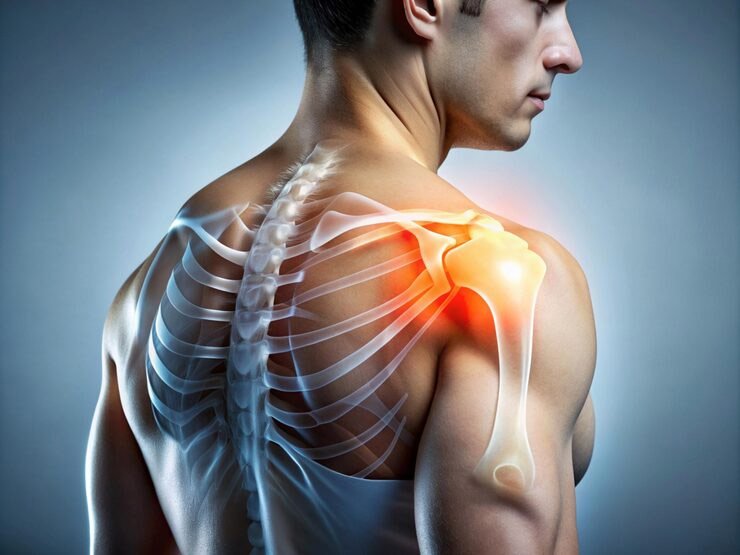
What is shoulder impingement syndrome?
Beneath the tip of the shoulder blade (the acromion) lies a narrow space called the subacromial space, through which the rotator cuff tendons and a cushioning sac called the bursa pass every time you lift your arm. Shoulder impingement occurs when this space narrows or the tendons swell, causing them to catch and rub with every overhead movement.
The result is a characteristic pattern of pain — often described as a painful arc — that’s worst when reaching overhead or behind the back, and can progressively weaken the shoulder if left unaddressed. It’s one of the most common causes of shoulder pain seen in both active and sedentary patients.
What causes shoulder impingement, and how is it classified?
Impingement can stem from a structural narrowing of the space itself, or from movement patterns that reduce the space available during activity.
Primary (Structural) Impingement
STRUCTURAL
Caused by a bone spur, a naturally curved acromion shape, or thickened ligament that physically narrows the subacromial space.
Secondary (Functional) Impingement
MECHANICAL
Caused by shoulder blade or rotator cuff muscle imbalance, altering shoulder mechanics and reducing the effective space during movement.
Repetitive Overhead Activity
OVERUSE
Common in swimmers, throwers, painters and manual workers whose repeated overhead motion irritates the tendons and bursa.
Poor Posture & Scapular Mechanics
POSTURE-RELATED
Rounded shoulders and weak shoulder blade stabilisers reduce the subacromial space available during arm elevation.
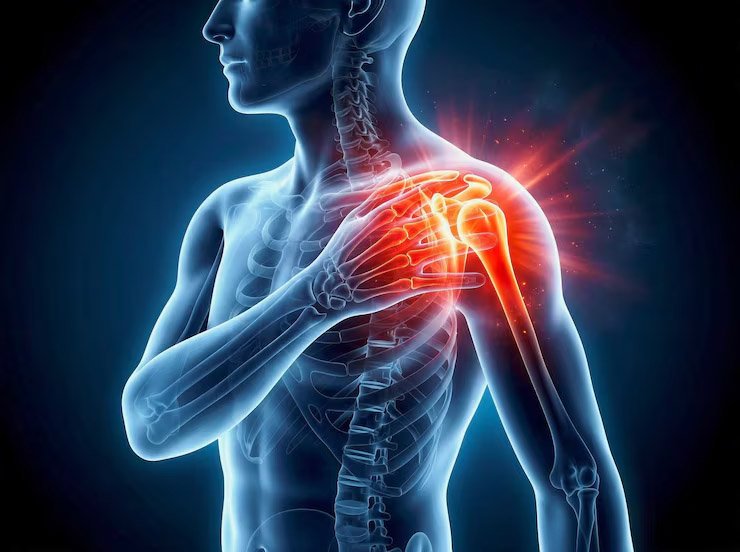
When Is Surgery Considered for Shoulder Impingement?
Surgery is not required for every patient with shoulder impingement.
Surgical treatment may be considered when symptoms remain significant despite an appropriate course of non-surgical treatment or when another structural problem requiring surgery is identified.
Depending on the diagnosis, surgical treatment may involve shoulder arthroscopy and treatment of associated problems such as a rotator cuff tear or other structural abnormality.
The decision should be based on the patient’s symptoms, examination, imaging findings, activity requirements and response to conservative treatment.
Signs & symptoms of shoulder impingement
These are the most common symptoms patients describe when shoulder impingement is the underlying cause.
- Pain when lifting the arm between roughly shoulder and ear height (a “painful arc”)
- Pain reaching overhead, such as putting on a shirt or reaching a high shelf
- Discomfort or aching that worsens at night, especially lying on the affected side
- A dull ache in the front or side of the shoulder
- Weakness during overhead sports like swimming, throwing or tennis
- Gradual onset without a specific injury
- Stiffness that limits full overhead range of motion
- Symptoms triggered by repetitive work or overhead sport
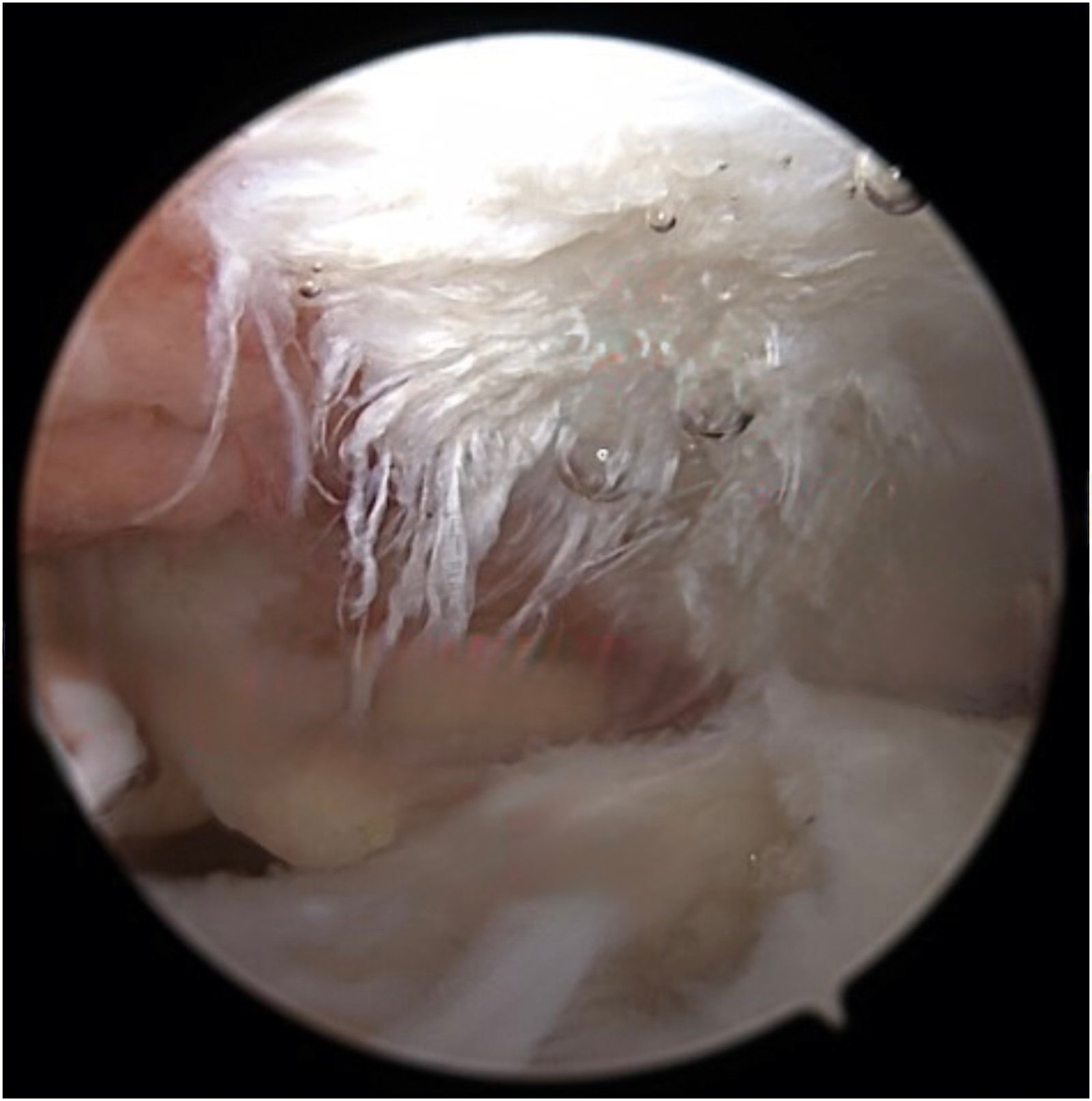
How shoulder impingement is treated, step by step
Step 1
Assessment & Imaging
Clinical examination and, where needed, X-ray or MRI to confirm the diagnosis and check for a bone spur or associated cuff damage.
Step 2
Activity Modification
Temporarily adjusting overhead activity and postural habits to reduce irritation while treatment begins.
Step 3
Targeted Physiotherapy
A program focused on rotator cuff and shoulder blade strengthening, and correcting movement patterns that narrow the subacromial space.
Step 4
Medication or Injection
Anti-inflammatory medication, or an image-guided subacromial injection, to settle inflammation and allow rehab to progress.
Step 5
Review
Progress is reviewed against your baseline symptoms and function at each stage.
Step 6
Arthroscopic Decompression (If Needed)
For symptoms that persist despite a full conservative trial, keyhole surgery creates more space for the tendons to move freely.
Non-surgical treatment vs. arthroscopic decompression
| Factor | Non-Surgical Treatment | Arthroscopic Subacromial Decompression |
|---|---|---|
| Invasiveness | None | Small keyhole incisions |
| Best for | Most cases, especially functional impingement | Structural impingement with a bone spur, or failed conservative care |
| Recovery | No downtime | 6–8 weeks for comfortable motion, 3–4 months for full activity |
| Success rate | High for appropriately selected patients | High when conservative treatment has genuinely failed |
Who needs arthroscopic decompression
A consultation and imaging review with Dr. Raghavendra Kembhavi will confirm whether continued conservative care or arthroscopic decompression is right for you.
Surgery may be considered when:
- Symptoms persist despite 3–6 months of structured physiotherapy
- Imaging confirms a bone spur significantly narrowing the space
- Injections provide only temporary relief
- Impingement is beginning to affect an intact rotator cuff tendon
Non-surgical care is usually sufficient when:
- Symptoms are recent or related to a specific activity
- Impingement is functional, from posture or muscle imbalance
- You haven’t yet completed a full physiotherapy program
- No significant structural narrowing is seen on imaging
A detailed recovery timeline
Week 1–2: Getting Started
Activity modification begins; physiotherapy assessment identifies the specific movement patterns contributing to impingement.
Week 2–6: Structured Physiotherapy
Rotator cuff and scapular strengthening progresses; most patients notice a meaningful reduction in the painful arc.
Week 6–12: Review & Injection (If Needed)
Progress is reviewed; a subacromial injection may be added if inflammation is limiting rehab progress.
If Surgery Is Needed — Week 0–2
Arthroscopic decompression is performed; early gentle movement begins to prevent stiffness while the area settles.
If Surgery Is Needed — Week 3–8
Progressive physiotherapy restores full range of motion and rebuilds rotator cuff strength.
If Surgery Is Needed — Month 3–4
Return to full overhead activity and sport, guided by strength and functional testing.
Fellowship-trained, sports medicine focused
Dr. Raghavendra Kembhavi is a fellowship-trained Orthopaedic Surgeon and Sports Medicine Specialist offering minimally invasive arthroscopic care for hip, knee and shoulder conditions in Bangalore.

10000+
Successful Patient Consultations

3000+
Orthopaedic & Sports Injury Treatments

2500+
Arthroscopic & Joint Procedures

17+
Years of Trusted Experience